
Disclaimer
Nextpad++ is an independent community port and is not affiliated with or endorsed by the Notepad++ project.
Fc2ppv45126381part1rar: _top_
Nextpad++ is macOS native editor for Apple Silicon and Intel Macs.
Nextpad++ is an independent community port and is not affiliated with or endorsed by the Notepad++ project.
Nextpad++ is macOS native editor for Apple Silicon and Intel Macs.
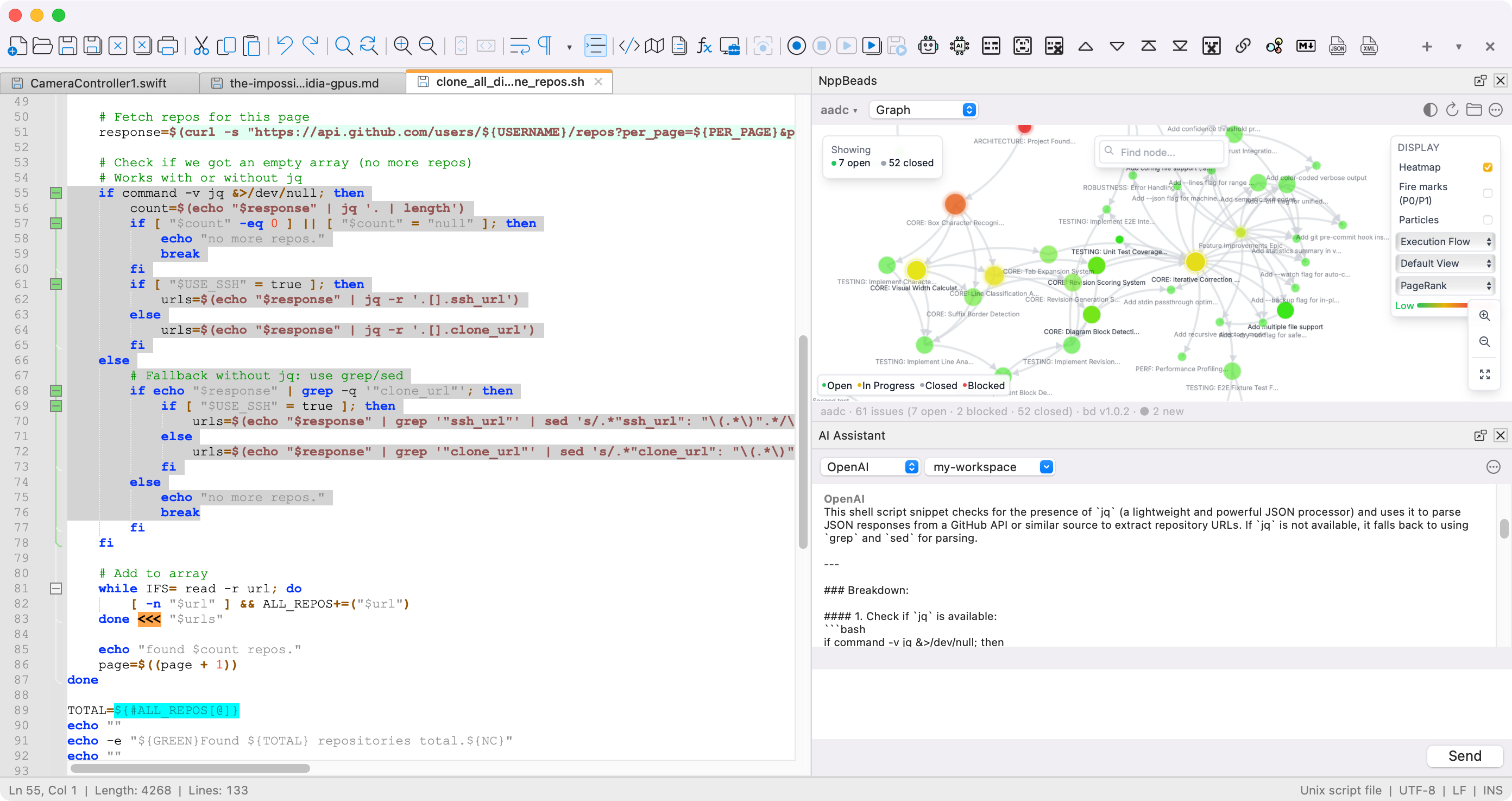
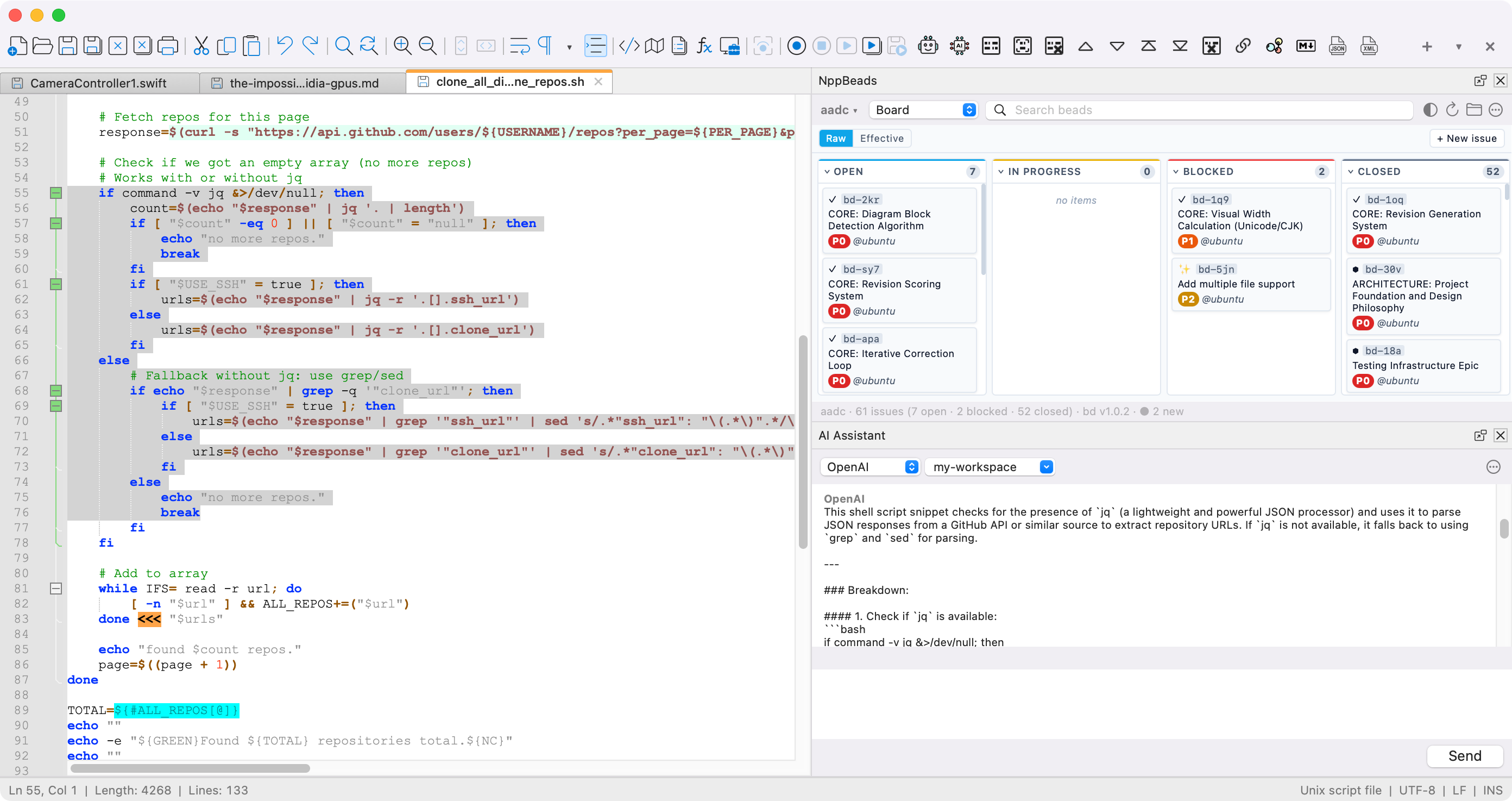
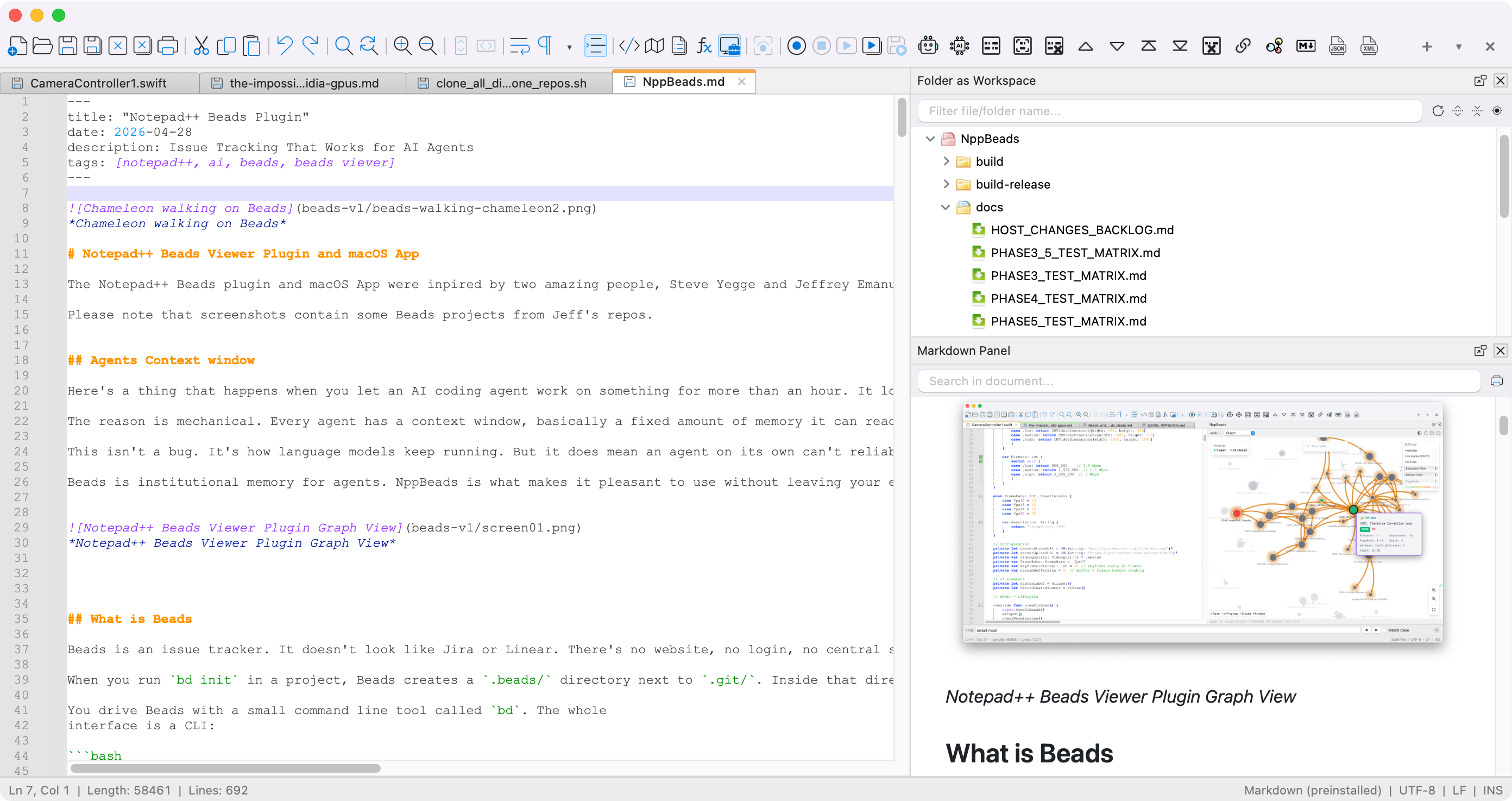
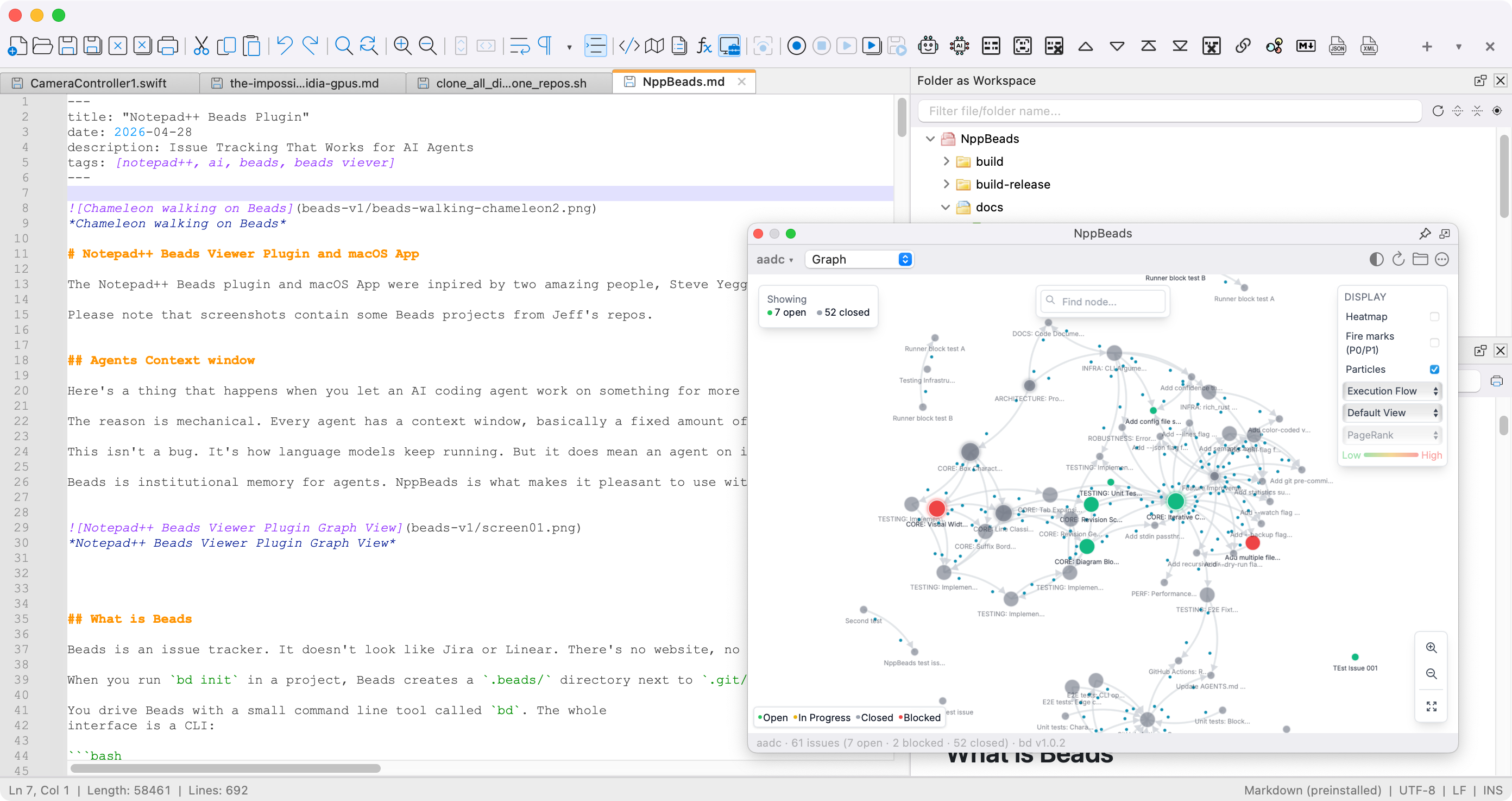
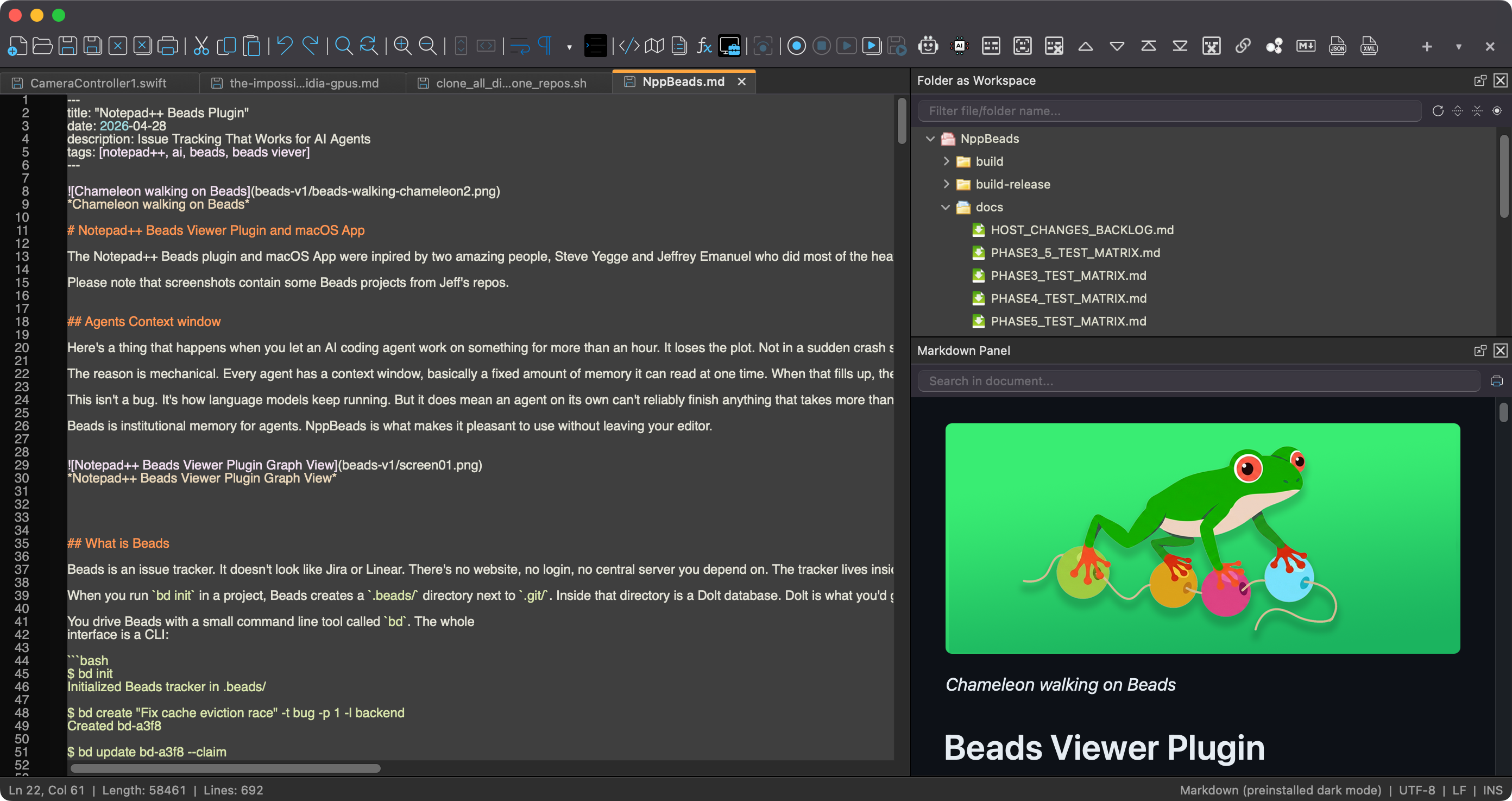
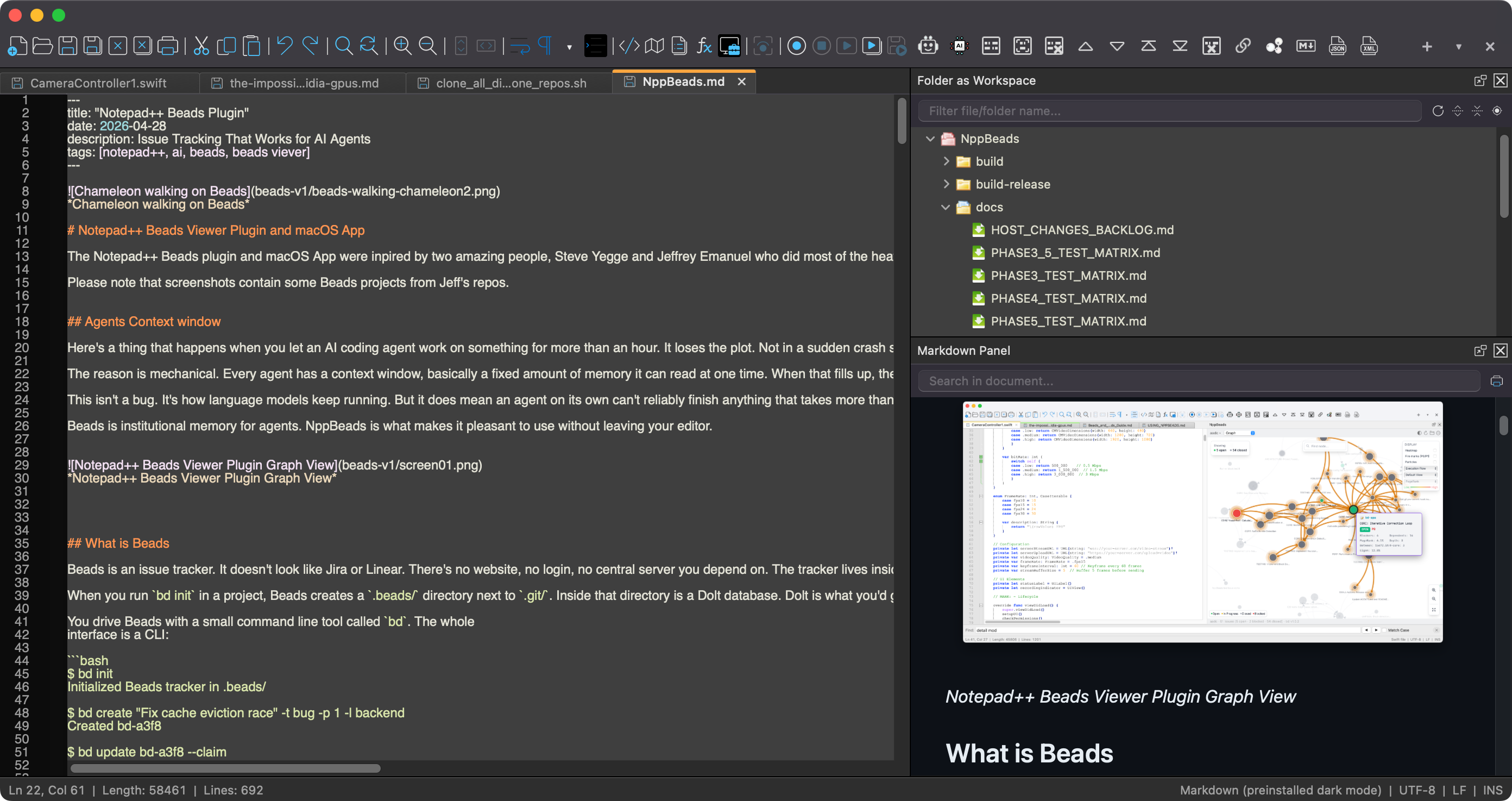
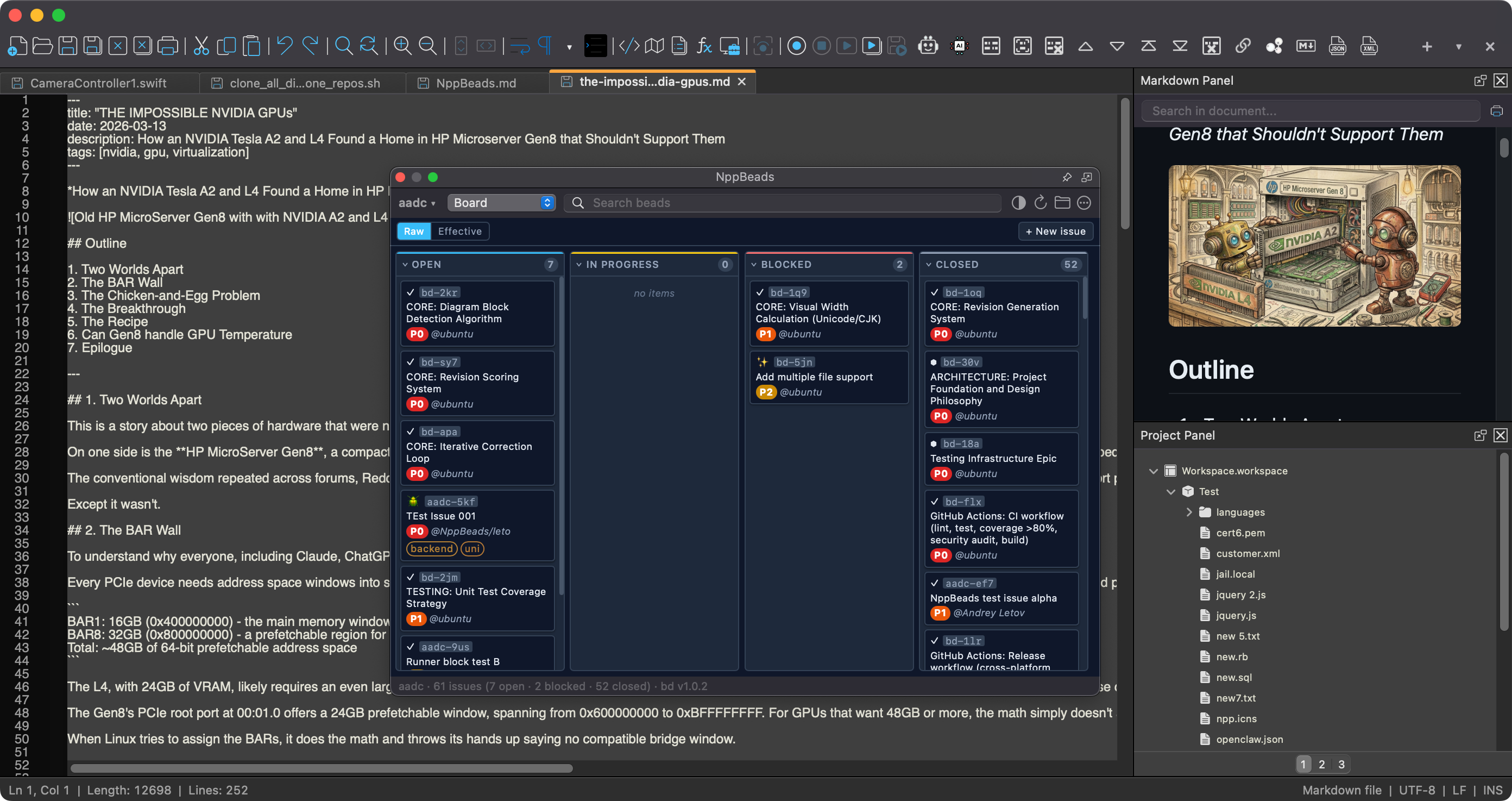
Nextpad++ has powerful features and built to feel right at home on macOS.
Support for 80+ programming languages with customizable color themes and user-defined languages. Switch Nextpad++ to the language you speak. It supports 137 languages out of the box.
Extend functionality with a rich plugin ecosystem. Customize your editor to match your workflow. More plugins are being migrated to macOS as we speak.
Built for M-series chips. Launches instantly, runs efficiently, and respects your battery life.
Powerful search with regular expressions, find in files, bookmark lines, and incremental search.
View and edit two documents side by side, or two parts of the same document simultaneously.
Record, save, and replay macros to automate repetitive editing tasks with ease.
Nextpad++ is a free, open-source source code editor that supports many programming languages and is great for general text editing. No Wine, Porting Kit, or emulation layer is needed — this is an independent native Notepad++ port governed by the GNU General Public License.
Based on the powerful editing component Scintilla, Nextpad++ for Mac is written in Objective C++ and uses pure platform-native APIs to ensure higher execution speed and a smaller program footprint. I hope you enjoy Nextpad++ on macOS as much as I enjoy bringing it to the Mac.
This project is an open-source and independent community port of Notepad++ to macOS, started on March 1, 2026. It is distributed as an Apple Developer ID-signed and Apple-notarized Universal Binary, runs natively on both Apple Silicon (M1–M5) and Intel Macs, and contains no telemetry, no advertising, and no data collection of any kind. The full source is available at github.com/nextpad-plus-plus/nextpad-plus-plus-macos. For the official Windows version of Notepad++, visit notepad-plus-plus.org.
Consider the hands that navigated the digital maze to produce this artifact. There is the author, the subject, the editor who clipped and compressed and exported, someone who hit “save” and “upload.” There may be a viewer on the other end, eyes scanning pixels for a hint of narrative, seeking meaning in the frame-by-frame flow. In each role, human curiosity and intent intersect: curiosity to capture, intent to preserve, and courage or vanity to share.
Imagine, for a moment, the origin of the file. Perhaps it was created in a cramped apartment, a camera propped on a stack of books, a scene lit by the yellow wash of a bedside lamp. Or maybe it came from a bustling studio, from the routine professionalism of technicians who name files like folders in a library—orderly, sterile, efficient. The name itself is neutral, but it becomes a map for the imagination: who recorded it, why, and what choices shaped that recording? Every filename is the residue of decisions—what to keep, how to label, whom to show. fc2ppv45126381part1rar
Then there’s the medium—the compressed archive, a container that both protects and conceals. Compression is a form of translation: it pares down, it prioritizes, it discards what is deemed unnecessary. To compress is to decide what matters. Those decisions are invisible to the casual observer, yet they shape memory. What was clipped to reduce file size may be what would have made the scene crueller, kinder, truer. The archive’s silence makes us speculate about loss: what nuance, what awkward laugh, what silent pause, now omitted? Consider the hands that navigated the digital maze